
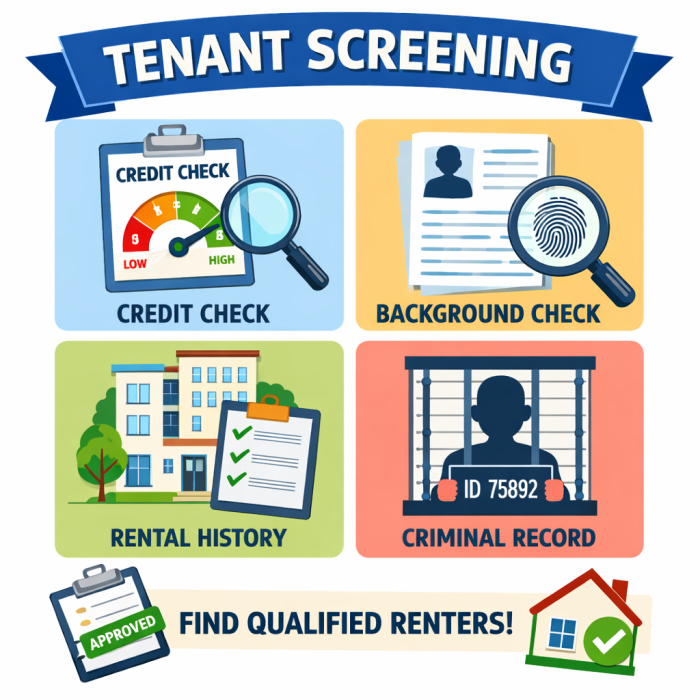
If you’re a landlord in Massachusetts, tenant screening is a key part of managing your rentals. But unlike in many other states, the rules here are strict and designed to protect applicants while still allowing you to vet prospective renters effectively. Knowing what the law allows and prohibits can help you avoid legal trouble and screen consistently and fairly.
-
Credit checks
-
Background checks
-
Application processing fees
State law does allow certain charges at the start of a tenancy, such as:
-
First month’s rent
-
Last month’s rent
-
Security deposit (within legal limits)
Massachusetts goes beyond federal fair housing protections by making source of income a protected category. That means you cannot refuse to rent to someone simply because they use a lawful source of income, such as:
-
Housing Choice Vouchers (Section 8)
-
Social Security or disability benefits
-
Child support or retirement income
These protections are enforced through the Massachusetts Commission Against Discrimination (MCAD), and discriminating based on income source could violate state fair housing law.
-
You can consider criminal history, but you cannot use arrest records alone to deny an application
-
Blanket bans on all convictions may violate federal guidance
-
You should evaluate the relevance of a conviction and how long ago it occurred
Federal guidance (from HUD) encourages individualized assessments to avoid discriminatory impacts.
-
Source of income
-
Receipt of public assistance
-
Sexual orientation and gender identity
-
Marital status
-
Age
-
Genetic information
-
Military or veteran status
These broader protections mean landlords need to be especially careful that screening criteria and practices are applied equally to all applicants.
-
Document your screening criteria before you list a unit
-
Apply the same standards to every applicant
-
Absorb all screening costs yourself or accept applicant-provided reports voluntarily
-
Avoid any fee that looks like an application or processing charge
-
Train staff or anyone helping you screen to follow fair housing rules strictly